Living with congestive heart failure means learning a new rhythm for almost everything — how you eat, how you move, how you rest, how you take your medications, and how you face the quiet hours of the night. I know, because I am living it. I am a two-time heart failure survivor, and this is the guide I wish someone had handed me when my own journey began.
You are far from alone. The CDC reports that nearly 6.7 million American adults have heart failure.1 What follows is what has helped me, drawn from my book Hope After Heart Failure and checked against current research. Every study I mention is listed at the bottom so you can read it for yourself.
The short version
- Congestive heart failure does not mean your heart has stopped. It means it needs help, every day.
- Small daily habits matter: weigh yourself each morning, limit sodium, take your medications, and rest.
- Supervised exercise (cardiac rehabilitation) is well studied and likely lowers your chance of a hospital stay.
- Fear, depression, and brain fog are common. They are not weakness, and they can be treated.
- You were never meant to do this alone.
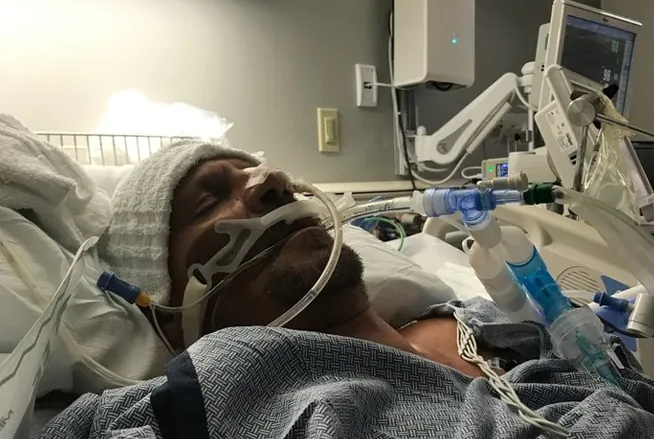
What Is Congestive Heart Failure?
The name sounds like the end. It is not. According to the National Library of Medicine, heart failure means your heart cannot pump enough oxygen-rich blood to meet your body’s needs.2 It does not mean your heart has stopped or is about to stop. When blood moves too slowly, it backs up, and fluid can collect in your body. When that fluid builds up in and around the lungs and makes breathing hard, it is also called congestive heart failure.2
That one fact explains most of the daily routine. Nearly everything your care team asks of you is aimed at helping your heart work less hard and keeping extra fluid from building up.
Daily Habits for Living with Congestive Heart Failure
In the book I write that recovery thrives in small increments. These are the small things that carry the most weight. Your own care team’s instructions always come first.
- Weigh yourself every morning. The American Heart Association says to do it at the same time each morning, before breakfast and after using the bathroom. Sudden weight change can be a warning sign, even if you feel OK. The AHA says to tell your healthcare professional if you gain five or more pounds in one week, or whatever amount your own team has told you to report.3
- Limit sodium. The AHA lists sodium among the things to limit, and notes that getting rid of extra water and sodium reduces the heart’s workload.3
- Ask how much to drink. The right amount of liquid each day is different for each of us. Ask your healthcare professional for your number.3
- Rest without apology. The AHA says it is important to schedule time every day for rest and relaxation.3 Rest is not avoidance. Your worth does not diminish when your energy does.
- Write it down. A simple daily record of weight, swelling, and shortness of breath gives your care team something real to work with. My free Heart Failure Self-Monitoring Log was made for exactly this.
The AHA’s scientific statement on self-care puts it plainly: there is strong evidence that self-care is effective in achieving the goals of the treatment plan.4
Symptoms to report to your care team
The American Heart Association lists these signs of heart failure: shortness of breath, persistent coughing or wheezing, buildup of extra fluid (swelling), tiredness, lack of appetite or nausea, confusion or impaired thinking, increased heart rate, and weight changes.5 If any of these are new or getting worse, report them to your healthcare professional. If you think you are having a medical emergency, call 911.
For more detail, see Know the Warning Signs After Heart Failure.
Coping with Fatigue from Congestive Heart Failure
Fatigue can drag the body down like an anchor. When energy feels unpredictable, just walking across a room can seem as daunting as running a marathon once did. The CDC lists generally feeling tired or weak among the common symptoms of heart failure.1
This is not laziness, and it is not simply being out of shape. Your heart is delivering less oxygen-rich blood than your body is asking for. What has helped me most is learning to spend energy on purpose:
- Pace your activities and alternate tasks with rest.
- Do the essential things first.
- Sit while dressing. Break large chores into smaller segments. Plan meals ahead.
- Protect your sleep. If shortness of breath when lying down keeps you awake, tell your care team.
Before, fatigue meant failure. Now it means pause. For more, see Fatigue After Heart Failure.
Is It Safe to Exercise with Congestive Heart Failure?
Fear of physical activity is one of the most common barriers to recovery. Climbing stairs or carrying groceries can trigger one recurring worry: What if my heart can’t handle it again?
That fear is understandable. But for most of us, guided movement is part of the treatment. A 2024 Cochrane review — one of the most trusted kinds of medical evidence — pooled 60 trials with 8,728 people with heart failure. It found that exercise-based cardiac rehabilitation likely reduces the risk of hospital admissions (about 16 in 100 people admitted, compared with about 24 in 100 with usual care) and may bring important improvements in quality of life. The benefits showed up in home-based programs as well as hospital-based ones.6 To be honest about the limits, the review did not find evidence of a difference in deaths over the first year.
The American Heart Association says regular, moderate-intensity physical activity can help your heart get stronger.3 Ask your cardiologist about a referral to cardiac rehabilitation. If you are beginning on your own, do it with your healthcare provider’s guidance and keep the three principles from my book in mind:
- Start light, progress gradually.
- Monitor and listen to the body.
- Combine activity with purpose.
Short, regular sessions do more than rare bursts followed by long rest. See Cardiac Rehab and Exercise After Heart Failure.
Managing Medications for Congestive Heart Failure

Heart failure usually means several medications, each doing a different job — controlling blood pressure, removing extra fluid, or steadying the heart’s rhythm. Taking that many pills every day can be overwhelming. The constant reminder of bottles and alarms can make you feel “ill” even on a good day.
That frustration is normal. But the routine is worth protecting. A review of 57 studies in the Journal of the American Heart Association found that programs that help heart failure patients take their medications consistently reduced both hospital readmissions and the risk of death.7
What makes it easier:
- Ask your cardiologist or pharmacist for a regular medication review.
- Use a weekly pill organizer or an app with timed reminders.
- Pair medication times with something you already do every day, such as meals or bedtime.
- Keep written notes on the “why” and “when” of each medication.
- Ask your pharmacy about lining up your refill dates.
Report side effects early — dizziness, a cough that will not quit, cramping, nausea — rather than adjusting doses yourself, and never stop a medication on your own. Most reactions have safe options once your team knows about them.
And if you wrestle with whether you are relying on God or on doctors: faith and medicine are not adversaries. They are allies. See Managing Multiple Medications After Heart Failure.
Fear, Anxiety, and Depression Are Part of Living with Congestive Heart Failure
No one warns you that living again can feel as frightening as dying. Every unusual flutter triggers a rush of questions. What if it happens again?
If that is you, the research says you have a lot of company:
- A review of 36 studies found that clinically significant depression is present in at least 1 in 5 people with heart failure.8
- A review of 73 studies found that about 29% of heart failure patients have anxiety that is probably clinically significant, and more than half have elevated symptoms of anxiety.9
This matters for your heart, not only your mood. An American Heart Association scientific statement concluded that most of the data suggest that improving psychological health can have a beneficial impact on cardiovascular health.10
So tell your doctor how you are really doing. In the book I point to counseling, especially Cognitive Behavioral Therapy (CBT), along with slow breathing, a steady evening routine, prayer, and learning about your condition. There is a difference between worrying about your condition and learning about it. The goal is not the elimination of fear, but mastery over it.
See Anxiety After Heart Failure.
Brain Fog and Memory Problems
Many of us describe an unexpected mental fog: difficulty concentrating, forgetfulness, slowed thinking. It is not “all in your head.” A 2024 scientific statement from the Heart Failure Society of America says cognitive impairment is common among adults with heart failure, that heart failure itself can contribute to changes in the brain, and that this affects self-care and medication management.11
Tell your care team, even if it seems mild. Then lighten the load on your memory: keep lists, use reminders, organize medications where you can see them, and label things the same way every time. The aim is progression, not perfection. See Cardiac Brain Fog After Heart Failure.

You Were Never Meant to Heal Alone
A heart failure diagnosis affects more than the survivor. It disrupts the whole circle around you. Many of us pull away, believing others cannot understand or fearing we will be a burden.
An American Heart Association scientific statement found that social isolation and loneliness are common and appear to be independent risk factors for worse heart and brain health.12 Breaking the cycle often starts with one small act — a phone call, a rehabilitation group, or an honest conversation at home.
Honest words help. Instead of, “You worry too much about me,” try: “When you keep checking on me, I feel fragile, and that scares me.”
The person beside you is carrying a load too. The AHA notes that many people living with heart failure rely on unpaid support from partners, family, and friends, and that caregiving affects the caregiver physically, emotionally, and financially.13 My free Heart Failure Caregiver’s Guide was written for them.
Faith, Meaning, and the Questions That Come at Night
Surviving something like this stirs up deep questions. Why am I still here? What purpose does this second chance hold? This questioning is not a disorder. It is a natural part of healing.
Researchers are paying attention to this, too. A 2022 review in JACC: Heart Failure describes links between spirituality and quality of life in people with heart failure, and suggests spiritual care as a way to improve it — while noting that more study is needed.14
For me, faith became the steady ground under everything else. You begin asking not, “Why did I survive?” but “How will I serve?” See Faith and Recovery After Heart Failure.
Common Questions About Living with Congestive Heart Failure
Is congestive heart failure the same as heart failure?
The terms are often used for the same condition. Heart failure means the heart cannot pump enough oxygen-rich blood to meet the body’s needs. When fluid builds up in and around the lungs as a result, it is also called congestive heart failure.2
How many people are living with heart failure?
Nearly 6.7 million adults age 20 and older in the United States, according to the CDC.1
What should I do every day when living with congestive heart failure?
Follow your care team’s plan. The American Heart Association’s advice includes weighing yourself each morning, limiting sodium, staying active at a moderate level, and scheduling daily rest.3
Is exercise safe with congestive heart failure?
Ask your own doctor first. For most people with heart failure, supervised exercise is part of treatment. A 2024 Cochrane review of 60 trials found exercise-based cardiac rehabilitation likely reduces hospital admissions and may improve quality of life.6
Is it normal to feel depressed or anxious with congestive heart failure?
Yes, it is common. Research has found clinically significant depression in at least 1 in 5 people with heart failure, and elevated anxiety symptoms in more than half.8,9 Both are treatable. Tell your doctor.
Living with Congestive Heart Failure, One Day at a Time
Choose one small goal each day: a short walk, preparing a meal, or rejoining a small gathering. Then write the victory down, no matter how small it seems:
Today I walked to the mailbox without resting.
Today I climbed the stairs, and my heart stayed calm.
Progress is still progress, even when no one notices. Wholeness is different from perfection. Healing rarely means a full return to the old rhythm — it means cultivating a new one.
My hope is that one day you will write the line I ask readers to put in their journals: “I am no longer surviving — I am participating in life again.”
If the bigger question is weighing on you, read How Long Can You Live with Congestive Heart Failure?
Take the Next Step
Hope After Heart Failure: A Survivor’s Guide for Recovery After Cardiac Crisis walks alongside you through every dimension of cardiac recovery — the physical, emotional, relational, and spiritual — with medical insight, guided meditations, and reflective workbook exercises in every chapter.
Get the book or read Chapter 1 free.
Sources
- Centers for Disease Control and Prevention. “About Heart Failure.”
- MedlinePlus, National Library of Medicine. “Heart Failure.”
- American Heart Association. “Lifestyle Changes for Heart Failure.”
- Riegel B, et al. “Self-Care for the Prevention and Management of Cardiovascular Disease and Stroke: A Scientific Statement From the American Heart Association.” Journal of the American Heart Association. 2017;6(9):e006997. doi:10.1161/JAHA.117.006997
- American Heart Association. “Heart Failure Signs and Symptoms.”
- Molloy C, et al. “Exercise-based cardiac rehabilitation for adults with heart failure.” Cochrane Database of Systematic Reviews. 2024;3:CD003331. doi:10.1002/14651858.CD003331.pub6
- Ruppar TM, et al. “Medication Adherence Interventions Improve Heart Failure Mortality and Readmission Rates: Systematic Review and Meta-Analysis of Controlled Trials.” Journal of the American Heart Association. 2016;5(6):e002606. doi:10.1161/JAHA.115.002606
- Rutledge T, et al. “Depression in Heart Failure: A Meta-Analytic Review of Prevalence, Intervention Effects, and Associations With Clinical Outcomes.” Journal of the American College of Cardiology. 2006;48(8):1527–1537. doi:10.1016/j.jacc.2006.06.055
- Easton K, et al. “Prevalence and Measurement of Anxiety in Samples of Patients With Heart Failure: Meta-analysis.” The Journal of Cardiovascular Nursing. 2016;31(4):367–379. doi:10.1097/JCN.0000000000000265
- Levine GN, et al. “Psychological Health, Well-Being, and the Mind-Heart-Body Connection: A Scientific Statement From the American Heart Association.” Circulation. 2021;143(10):e763–e783. doi:10.1161/CIR.0000000000000947
- Goyal P, et al. “Cognitive Impairment in Heart Failure: A Heart Failure Society of America Scientific Statement.” Journal of Cardiac Failure. 2024;30(3):488–504. doi:10.1016/j.cardfail.2024.01.003
- Cené CW, et al. “Effects of Objective and Perceived Social Isolation on Cardiovascular and Brain Health: A Scientific Statement From the American Heart Association.” Journal of the American Heart Association. 2022;11(16):e026493. doi:10.1161/JAHA.122.026493
- Kitko L, et al. “Family Caregiving for Individuals With Heart Failure: A Scientific Statement From the American Heart Association.” Circulation. 2020;141(22):e864–e878. doi:10.1161/CIR.0000000000000768
- Tobin RS, et al. “Spirituality in Patients With Heart Failure.” JACC: Heart Failure. 2022;10(4):217–226. doi:10.1016/j.jchf.2022.01.014
Trusted Resources for Heart Failure Survivors
- American Heart Association — heart failure resources, support groups, and patient education
- Mended Hearts — peer-to-peer support for heart disease patients and their families
- Heart Failure Society of America — patient resources, clinical guidance, and community connections
- CardioSmart (American College of Cardiology) — patient education and evidence-based health information
- WomenHeart — support and advocacy for women living with heart disease
This article is for informational and inspirational purposes only and is not medical advice, diagnosis, or treatment. Always consult a qualified healthcare professional about any medical condition or before making changes to your health regimen.
Greg R. Traver is a two-time heart failure survivor and the author of Hope After Heart Failure — the book he wished he’d had when his own journey began. He shares ongoing encouragement, reflections, and resources at hopeafterheartfailure.com.